
Farsi-Speaking Therapist in Toronto & Therapy in Farsi Across Ontario
رواندرمانی به زبان فارسی در تورنتو و سراسر استان انتاریو
Some things are hard to say in any language. They're harder still in a language you learned as an adult.
At Feel Your Way Therapy, you can do therapy in Farsi (Persian) with a Registered Psychotherapist or with one of our two supervised student therapists. Sessions are in person at our office at Spadina and College in downtown Toronto, or online anywhere in Ontario.

Our Farsi-speaking team works with children from age 3, teens, adults, couples and parents. We help with anxiety, depression, trauma, ADHD and attention, OCD, relationship difficulties and the particular pressures of building a life in Canada. Some of our clients came to Canada as adults; others grew up here speaking Farsi at home and English everywhere else. Dari speakers are welcome too. Whichever describes you, the session happens in the language that feels most like yours, and you can switch languages at any point.
This page in Farsi: مشاور و رواندرمانگر فارسیزبان در تورنتو
Why therapy in Farsi?
Many people find they're a slightly different person in their second language: more polite, more careful, a step further away from what they actually feel. Words like deltangi (دلتنگی), ghosseh (غصه) or aberu (آبرو) don't translate cleanly. When you have to translate them, part of the meaning is lost, and in therapy that part often matters most. Research on bilingual memory also suggests that memories and feelings formed in one language come back most vividly in that language. For many people, that's where the childhood material lives.
Working with a Farsi-speaking therapist means you can:
- say it the way you feel it, without translating in your head first
- skip explaining the cultural background: taarof, family obligations, what "people will say"
- move between Farsi and English whenever you like; many of our clients do, often in the same sentence
- talk about migration, family and identity with someone who knows the language and the culture it comes from
For children and teens, having a therapist who speaks Farsi has a different benefit: parents can take part fully. You don't need an interpreter to talk about your child, and your child can use whichever language they're most comfortable in.
A culturally aware approach, without assumptions
Culture shapes what brings people to therapy and what makes it hard to come. We keep that in mind without assuming we already know your story.
"I'm not crazy." In many Iranian families, seeing a therapist still carries stigma, and admitting you are struggling can feel like weakness or ingratitude. Therapy isn't a diagnosis of who you are. It's a confidential place to think out loud with someone trained to help.
Aberu and family privacy. Talking about problems at home can feel like betraying your family. Nothing you say leaves the room (with the legal exceptions we explain at the start), and nobody in the community will know you're coming unless you tell them.
Taarof in the therapy room. It's natural to say "I'm fine" when you're not, or to agree with the therapist out of politeness. A therapist who knows the code can gently look past it, and you can drop it without feeling rude.
The weight of migration. Waiting on permanent residency, a career or degree that doesn't count here, the loneliness of the first years, parents you may not see for a long time. Many clients arrive successful on paper and exhausted underneath.
News from home. Worry about family in Iran, the strain of following events from far away, and grief that has to happen at a distance when you can't go back for a goodbye or a funeral.
Between two worlds. Children often become Canadian faster than their parents: new language, new friends, new rules about what's normal. Parents can feel they're losing their child to a culture they're still learning. Teens and young adults carry expectations from both sides: achievement and closeness to family on one hand, independence on the other.
Not every Farsi-speaking family works the same way, and we don't assume yours does. The point is to hear your story, not fit you into a template.
What we can help with
Anxiety, panic attacks, phobias, social and test anxiety
Depression, low motivation and emotional numbness
Trauma and PTSD, including structured Cognitive Processing Therapy
OCD, including exposure and response prevention (ERP)
ADHD, attention and executive-function difficulties in children, teens and adults
Child therapy and play therapy for emotional regulation, focus, impulsive behaviour and bullying
Teen therapy: stress, identity, school pressure and academic burnout
Parenting support for parents with questions about how best to help their child
Self-esteem, perfectionism and harsh self-criticism
Stress, insomnia and burnout
Immigration stress, identity and cultural adjustment (see our therapy for newcomers page)
Grief, including loss experienced from far away
Children, teens and parents
Our two Farsi-speaking student therapists work with children and teens. Atefeh sees children from age 3, adolescents and young adults. She uses play-based work with younger children and CBT and ACT-informed strategies with teens, and she supports parents who want practical guidance. Pooria sees children from age 6, teens and adults. His focus is attention, executive function, ADHD, OCD, anxiety and learning difficulties. He begins by measuring where the difficulty actually sits, then builds therapy around the results.
Parents are part of the work. Sessions and check-ins can be in Farsi, English or both, so the whole family can understand the plan.
Pooria's attention profile is used only to plan therapy; it isn't a diagnosis and can't be used for school or workplace accommodations. A formal ADHD or learning diagnosis can only come from a psychologist or physician.
Couples therapy in Farsi
Migration rearranges a relationship. Who earns, who does the housework, who makes decisions, how much say the in-laws have (now by video call from another time zone): arrangements that worked at home can stop working here, often without either partner noticing until the arguments start.
Samira uses cognitive-behavioural couples therapy to help partners see the pattern they're caught in, communicate without escalating, and renegotiate the roles that migration shifted. Sessions can be in Farsi, English or both, which helps when one partner is more comfortable in one language than the other.
Meet our Farsi-speaking therapists
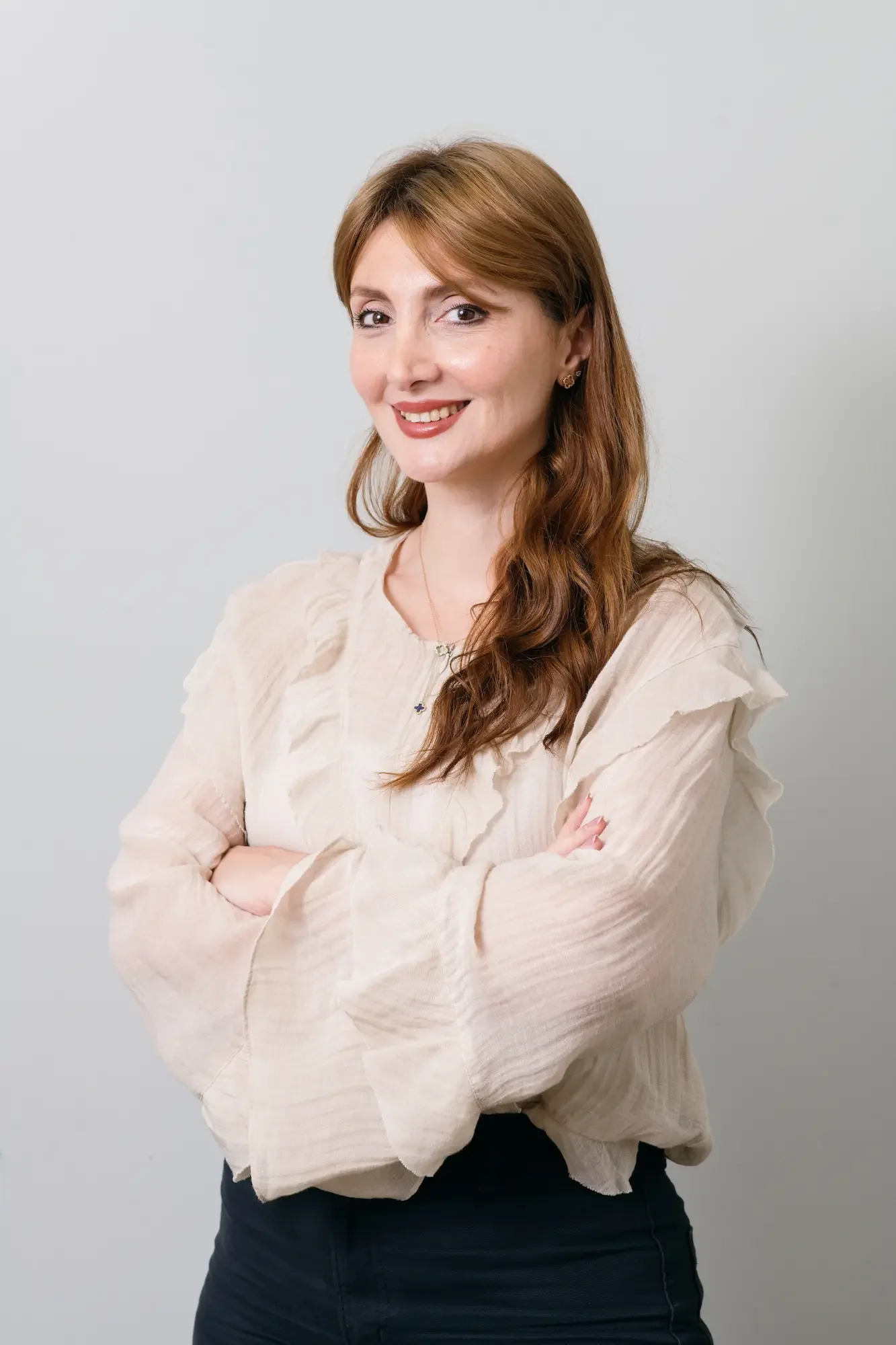
Samira Rostami
Samira holds a Ph.D. in Psychology (Neuro-psychopathology) and a Master's in Clinical Psychology and Family Therapy from Allameh Tabataba'i University, and is a certified clinical hypnotherapist (University of Toronto). Before clinical practice, she spent years researching rumination, depression and bipolar disorder at The Royal Mental Health Centre and the University of Ottawa. She works with adults and couples using CBT, DBT, ACT, Cognitive Processing Therapy, schema therapy and clinical hypnotherapy.
Read Samira's full profile →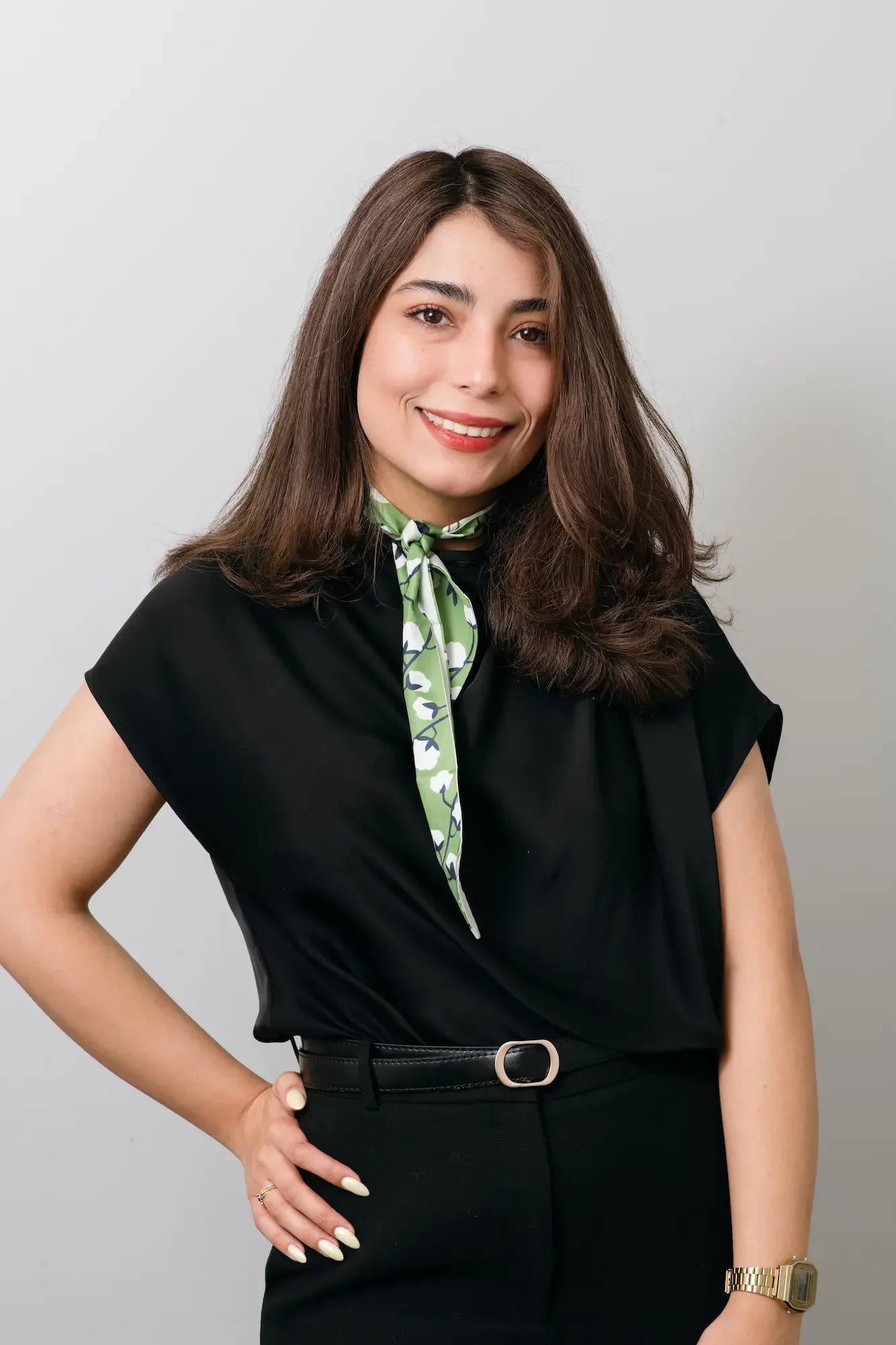
Atefeh Sabeti
Atefeh holds a Master's in Psychology and Neuroscience. She has over five years' experience with children and youth, including a research role at CAMH on anxiety and mood disorders. She works with children (3+), adolescents and young adults on anxiety, depression, trauma, ADHD and emotional regulation, using CBT, ACT-informed strategies, play therapy and cognitive training, and offers parenting guidance.
Read Atefeh's profile →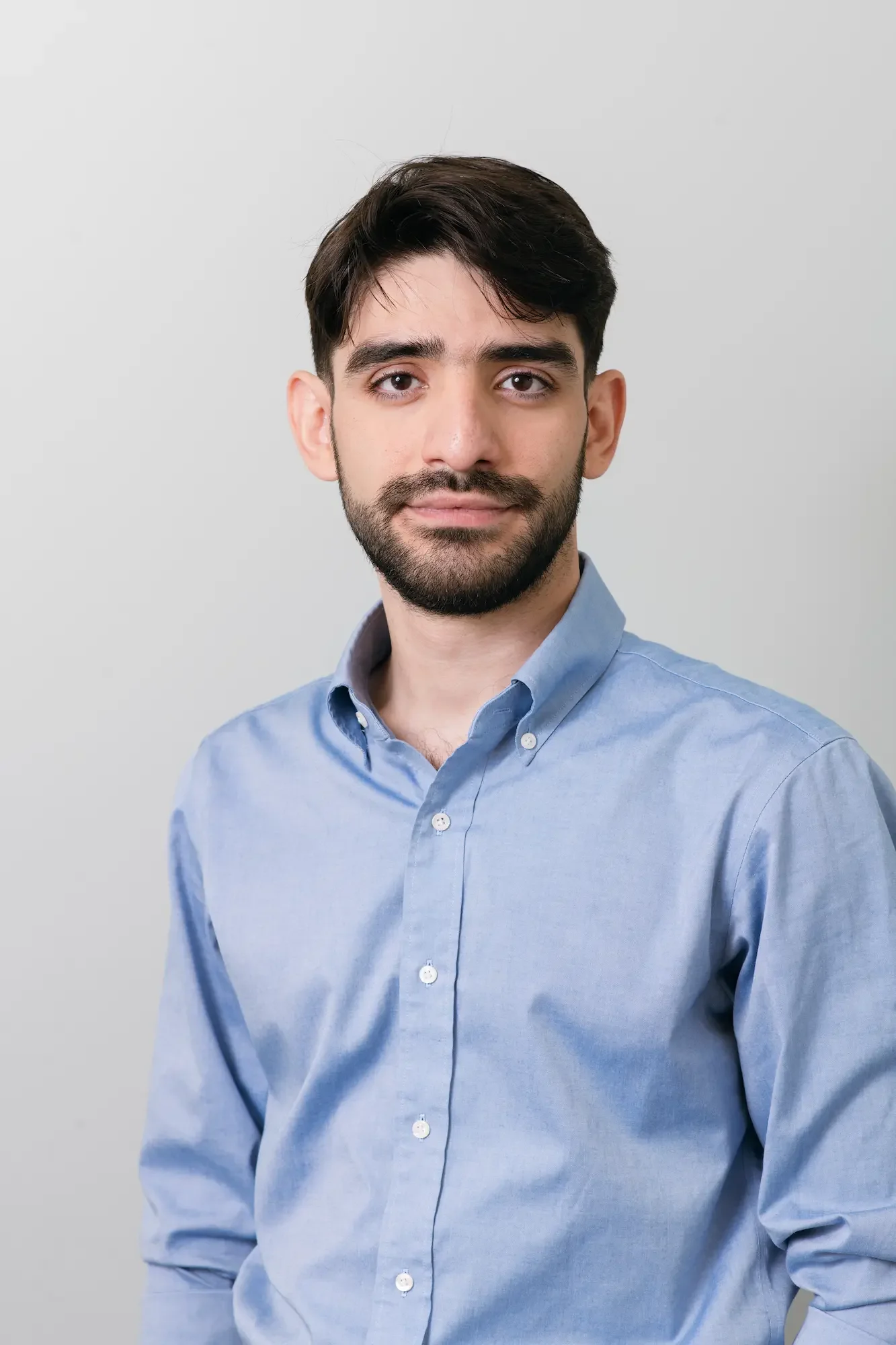
Pooria Mirzaee
Pooria completed a master's in Cognitive Neuroscience and Clinical Neuropsychology at the University of Padua, followed by clinical psychology research at Concordia University. He works with children (6+), teens and adults on ADHD and executive function, OCD (including ERP), anxiety, test anxiety, academic burnout and learning difficulties.
Read Pooria's profile →Atefeh and Pooria are completing supervised clinical training, and every session is under the clinical supervision of an experienced registered clinician.
Fees, insurance and direct billing
Individual or couples sessions.
Supervised sessions at a lower fee, and a good option if you don't have benefits or they've run out. Sliding-scale spots from $50 are available when finances are tight.
Insurance
OHIP doesn't cover psychotherapy, but most workplace and student extended health plans reimburse sessions with a Registered Psychotherapist. We direct bill Sun Life, Canada Life, Manulife, GreenShield, Blue Cross and others, so you pay only the difference. Coverage for student-therapist sessions varies by plan; ask your insurer, or ask us on the consultation call.
IFHP
If you're a refugee claimant or protected person, sessions with Samira may be fully covered through the Interim Federal Health Program.
Full details are on our fees page.
Common questions about therapy in Farsi
You don't have to carry this alone, or in translation.
Book a free 20-minute consultation and tell us you'd like to work in Farsi. The consultation itself can be in Farsi too.
If you're in crisis, call or text 9-8-8 (Suicide Crisis Helpline), call 911, or go to your nearest emergency department.
Farsi-speaking therapy in Toronto
Toronto, ON M5S 2G8
Office/Admin: Monday – Saturday, 10 AM – 7 PM